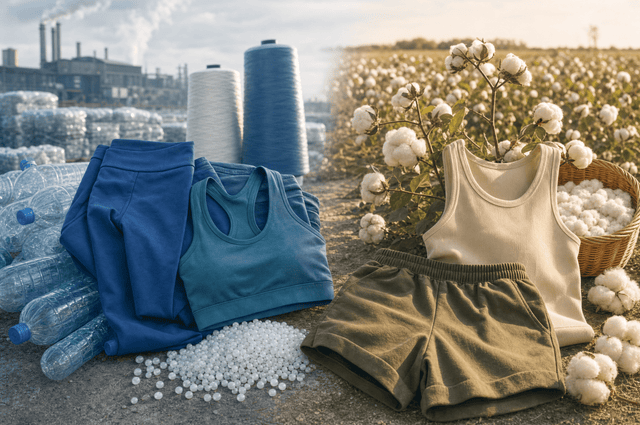
The best sustainable tennis brands do more than add recycled content to a classic white skirt. They consider what happens before a garment reaches the court: how fibers are made, how color is applied, how much water is used, and whether the finished piece can hold its shape through a full season of serves, sprints, and laundry days.
For the style-minded athlete, that distinction matters. Tennis clothing has to move beautifully, manage heat, and feel polished enough for the club, the coffee stop, and everything after. Sustainability is not a substitute for performance or design. The most compelling labels treat it as part of the product standard.
What Makes a Tennis Brand Truly Sustainable?
No apparel brand is impact-free. Synthetic stretch fibers, overseas shipping, packaging, and garment care all carry a footprint. The most credible brands are specific about the choices they make, rather than relying on vague claims such as "eco-friendly" or "conscious."
Start with materials. Recycled polyester is common in technical tennis apparel because it gives discarded plastic a second life while retaining the lightweight, quick-drying qualities players expect. Recycled nylon, organic cotton, responsibly sourced natural fibers, and certified cellulosics can also have a place, depending on the garment. A fitted performance dress will typically need different fibers than an off-court sweatshirt.
Then look at manufacturing. Water-saving dye processes, renewable energy, wastewater recycling, and third-party certifications can signal a brand that is addressing impact beyond fabric selection. Durability is equally essential. A skirt that pills after three wears is not a sustainable purchase, no matter how thoughtful its fiber story may be.
Finally, consider transparency. The best brands explain their approach clearly, acknowledge where progress is still needed, and avoid making shoppers do detective work to understand the product.
12 Best Sustainable Tennis Brands to Know
1. InPhorm NYC
InPhorm NYC brings a designer point of view to performance apparel for tennis, golf, pickleball, and beyond. Its collections are built for athletes who want refined silhouettes, confident color, and technical comfort without separating style from responsibility.
The brand incorporates recycled polyester, dry-dye technology, solar-powered manufacturing, and water recycling systems into its sustainability approach. The result is elevated court apparel designed with breathability, stretch, and long-term versatility in mind. It is especially compelling for players building a coordinated wardrobe of skorts, tanks, dresses, layers, and polished pieces that extend beyond the baseline.
2. Girlfriend Collective
Girlfriend Collective is known for activewear made with recycled materials and a transparent, minimalist sensibility. While it is not tennis-exclusive, its compressive skirts, bras, leggings, and layering pieces work well for training sessions and relaxed court looks.
Its strongest appeal is for the player who prefers clean, tonal styling and wants detailed information about material composition. The trade-off is that its sport-specific tennis assortment may be narrower than a dedicated racquet-sports brand.
3. Patagonia
Patagonia has long set a high standard for environmental advocacy, repair culture, and material innovation. Its tennis offerings are less fashion-driven and more utility-focused, but its lightweight tops, shorts, outerwear, and bags can serve players who value rugged performance.
This is a practical choice for outdoor athletes who move between tennis, trail, travel, and everyday life. If you are looking for a dressy club-sport silhouette, however, its aesthetic may feel more technical than tailored.
4. adidas by Stella McCartney
For players who see court apparel as part of their personal style, adidas by Stella McCartney combines performance engineering with directional design. Many pieces incorporate recycled materials, and the collection often pushes beyond traditional tennis color palettes and proportions.
The line is ideal when visual impact is a priority. Availability and pricing can vary by season, and not every item will be designed specifically for tennis, so check the intended sport and fabric details before choosing a match-day piece.
5. Vuori
Vuori creates polished activewear with a soft, California-inspired ease. Its sustainability efforts include recycled and responsibly sourced materials in select styles, while its lightweight layers, joggers, and performance tops fit naturally into a tennis lifestyle wardrobe.
Think of Vuori as an excellent complement to a dedicated tennis closet rather than a one-stop source for traditional court uniforms. It excels in warm-ups, recovery-day dressing, and travel pieces with a refined casual finish.
6. Outdoor Voices
Outdoor Voices has built its identity around movement for everyday life. The brand offers versatile activewear, including skirts, shorts, bras, and layers that can move from a casual hit to a weekend errand.
Its sustainability story varies across collections, so material-by-material comparison is especially useful. Players drawn to relaxed fits and playful colors may find pieces that feel less formal than classic tennis apparel, but more expressive for social play.
7. PACT
PACT focuses on organic cotton essentials and responsible manufacturing practices. It is not a technical tennis label, yet it deserves consideration for the off-court foundation of a more thoughtful sports wardrobe: soft tees, underwear, casual layers, and lounge pieces.
Organic cotton is breathable and comfortable, but it will not replace the moisture management and recovery of a performance synthetic during a humid match. PACT is best for what surrounds your tennis wardrobe, not necessarily the most demanding points of play.
8. MATE the Label
MATE the Label offers organic and lower-impact essentials with an understated, Los Angeles-informed aesthetic. Its pieces suit low-impact movement, warm-up routines, and elevated downtime between matches.
For tennis, the brand makes the most sense when paired with technical skorts or shorts from a specialist. It is a thoughtful option for athletes who want natural-fiber layers close to the skin and a quieter approach to logo-driven activewear.
9. TALA
TALA is recognized for fashion-conscious performance pieces made with a focus on recycled and lower-impact materials. Its silhouettes often feel current without becoming disposable, from sculpted tops to streamlined leggings and training layers.
The collection can be especially useful for players who cross-train regularly and want a wardrobe that works for strength sessions as well as court time. Fit is central to its appeal, so review sizing carefully when selecting more compressive styles.
10. Nike
Nike has made major investments in recycled materials, including recycled polyester across many performance products. Its tennis range is broad, technically capable, and easy to find, making it a practical option for athletes seeking high-level sport function.
Scale brings both benefits and limitations. Nike can make lower-impact materials more accessible across a large assortment, but shoppers should evaluate individual product details rather than assuming every item carries the same sustainability credentials.
11. Reformation
Reformation is best known for fashion with a sustainability focus, but its activewear and sporty separates can appeal to players who favor a more feminine, fashion-led wardrobe. Think layers and lifestyle pieces that bring a considered finish to pre- and post-match dressing.
It is less likely to be the answer for intense league play in peak heat. Still, for resort tennis, social matches, or a court-to-dinner schedule, its perspective offers a useful reminder that responsible style can be expressive.
12. prAna
prAna blends responsible material choices with relaxed active and outdoor apparel. Its versatility is its advantage: breathable tops, easy pants, travel-ready layers, and casual dresses can support a tennis-centered weekend without feeling overly athletic.
As with several lifestyle-active brands, it is best for players whose needs extend beyond a traditional tennis uniform. Those who require built-in ball pockets, secure compression, or highly technical fabric may want to reserve prAna for layering and off-court wear.
How to Choose Between Sustainable Tennis Brands
The right brand depends on how, where, and how often you play. If you compete regularly in warm weather, prioritize moisture management, stretch recovery, UPF protection where needed, and secure pockets. A beautiful skirt is only useful if it stays in place through an aggressive split step.
If you play socially or travel for tennis, versatility may matter more. A sophisticated dress, a lightweight jacket, or an elevated polo can earn its place in your wardrobe by working across multiple settings. Fewer, better pieces often make more sense than accumulating single-purpose looks.
Pay attention to the fabric blend, not just the headline material. Recycled polyester can be a strong performance choice, while elastane adds essential stretch and shape retention. The presence of a synthetic fiber is not automatically a failure of sustainability. In technical apparel, it can be the difference between a garment you wear for years and one that loses its function quickly.
Care is part of the equation, too. Wash cool, avoid unnecessary dryer heat, and use a laundry bag designed to capture microfibers when caring for synthetic performance pieces. Extend the life of favorite garments through thoughtful rotation, careful storage, and small repairs when possible.
The most sustainable tennis wardrobe is not defined by perfection. It is defined by intention: choosing pieces you genuinely love, demanding evidence behind brand claims, and investing in performance apparel that is ready for the next match, not just the next trend.