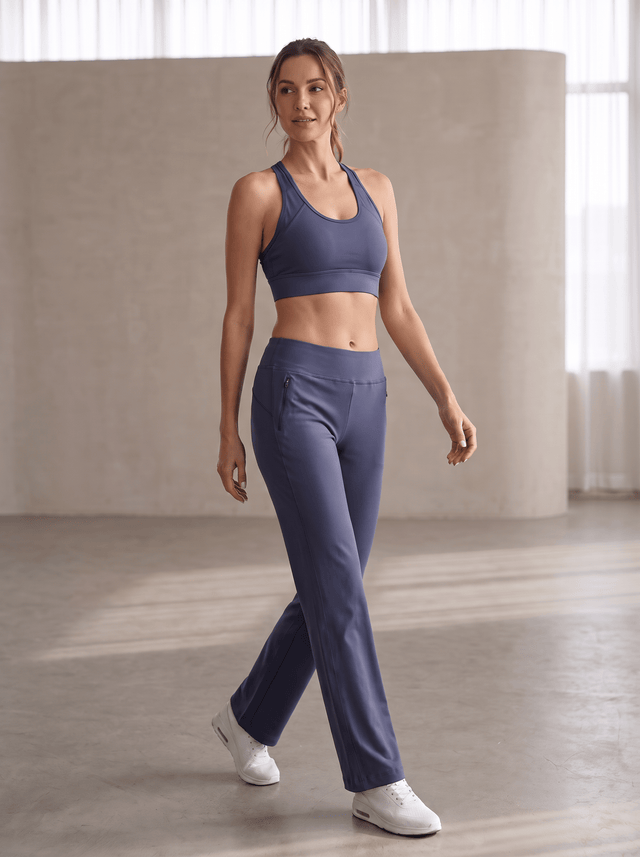
A favorite pair of performance leggings earns its place quickly: early training sessions, long walks, post-match errands, and the moments in between. Knowing how to wash performance leggings protects the qualities that made you reach for them in the first place - supportive stretch, breathable comfort, rich color, and a polished fit that holds its shape.
Technical fabrics are engineered differently from everyday cotton. They move moisture, recover after motion, and often combine recycled fibers with elastane or spandex for a close, flexible feel. Treating them like a load of towels can shorten their life. A more considered wash routine takes very little effort and helps your activewear perform beautifully for longer.
How to Wash Performance Leggings Without Damaging Them
Start with the care label. It is the most precise guide for the particular blend, finish, and construction of your leggings. While most performance leggings respond well to cold water and a gentle cycle, details such as bonded seams, compression panels, reflective accents, or delicate mesh may call for additional care.
Turn leggings inside out before they go into the wash. This simple step reduces friction on the outer surface, where color, finish, and design details are most visible. It also allows water and detergent better access to the side that has absorbed perspiration, body oils, sunscreen, and deodorant.
Close zippers and fasten hooks on any garments sharing the load. Better yet, wash leggings with similar soft activewear pieces rather than with denim, towels, cotton fleece, or anything with hardware. Rougher fabrics create abrasion, which can lead to pilling and a dulled finish over time.
Use cold water and select a gentle or delicate cycle. Heat is the enemy of elastic fibers: it can weaken recovery, affect the fit, and gradually make fabric feel less supple. Cold water is also a more responsible choice, using less energy while being fully capable of cleaning lightly to moderately worn workout apparel.
Choose detergent with a light hand
A small amount of mild liquid detergent is usually enough. Performance fabric does not need an aggressive formula or an overloaded detergent cap to come clean. In fact, excess detergent is one of the most common reasons leggings begin to feel coated, stiff, or less breathable. Residue can trap odor and keep moisture from moving through the fabric as intended.
If your machine offers an extra rinse, it can be useful for heavily worn training gear or for anyone prone to skin sensitivity. It is not necessary for every wash, but it is a smart reset when leggings no longer feel as fresh as they should.
Avoid chlorine bleach, even on white or pale pieces, unless the care label specifically permits it. Bleach can compromise fibers and fade color. Fabric softener is another product to skip. It may leave leggings feeling temporarily silky, but it coats technical fibers and can interfere with moisture management, breathability, and stretch recovery.
When to Hand-Wash Performance Leggings
Machine washing on gentle is practical for most everyday activewear. Hand-washing is worth considering for leggings with especially delicate mesh, a high-fashion finish, or details you want to preserve for years. It is also helpful when you only have one or two pieces to clean and prefer not to run a full load.
Fill a clean sink or basin with cool water, add a small amount of mild detergent, and gently move the leggings through the water. Let them soak for about 10 to 15 minutes if they need extra attention. Do not scrub, twist, or wring the fabric. Instead, press the water out gently, rinse until the water runs clear, and roll the leggings in a clean towel to remove excess moisture.
The trade-off is time. Hand-washing is gentler, but it is not inherently required for every pair. A cold, gentle machine cycle with the right wash companions is often the best balance of care and convenience.
Drying Is Where Leggings Keep Their Shape
The dryer is the step most likely to diminish a pair of leggings. High heat can stress elastane, cause fabric to lose its resilience, and make waistbands or compression zones feel less supportive. Whenever possible, air-dry performance leggings.
Lay them flat on a drying rack or hang them in a well-ventilated space away from direct, intense sunlight. Flat drying is ideal for preserving shape, especially for heavier compression fabrics. If you hang them, avoid clipping the waistband in a way that could leave marks or stretch it while damp.
A low-heat tumble setting may be acceptable when the care label allows it and time is limited, but it should be the exception rather than the routine. Never place performance leggings on a radiator or in front of high heat to speed the process. Patience protects the fibers that give the garment its performance edge.
Do not iron technical leggings
Most leggings do not need ironing, and direct heat can damage synthetic fibers or logos. If wrinkles appear after travel or storage, hang the garment in a steamy bathroom or allow it to rest after washing. The natural recovery of quality stretch fabric usually takes care of the rest.
How Often Should You Wash Them?
For leggings worn during a sweaty tennis session, a spin class, strength training, or a humid afternoon walk, wash after each wear. Letting perspiration dry into the fabric can encourage lingering odor and makes it harder to restore freshness later.
For low-intensity wear, such as running errands, traveling, or relaxing at home, one additional wear may be reasonable if the leggings are clean, dry, and odor-free. This is where thoughtful consumption matters. Washing less often when a garment is genuinely clean helps conserve water and reduces unnecessary wear, but it should never mean storing damp, sweaty activewear in a gym bag.
If you cannot wash leggings immediately, take them out of the bag and hang them to air out. That small habit prevents trapped moisture from becoming a much larger laundry problem.
Removing Odor Without Overwashing
Persistent odor is usually a buildup issue, not a sign that you need more detergent. Start by checking your washing machine itself. A machine with residue in the drum, gasket, or detergent drawer can transfer odor back onto clean clothing. Run the appropriate machine-cleaning cycle regularly and leave the door open between washes when possible.
For leggings that hold onto odor after a proper wash, soak them briefly in cool water with a small amount of detergent designed for activewear, then wash as directed. Some care labels permit a small amount of white vinegar in the rinse cycle, but this is not universal. Follow the label first, particularly for garments with specialty finishes or stretch-intensive construction.
Avoid using fragrance to mask a problem. Strongly scented boosters and softeners may make laundry smell fresh initially while leaving behind the residue that causes performance fabric to feel less effective.
Small Habits That Extend the Life of Your Leggings
Laundry is only part of the equation. Rotate between pairs when possible so each garment has time to fully dry and recover between wears. Keep leggings out of hot cars, do not sit on abrasive surfaces in them, and store them folded rather than tightly compressed for long periods.
Be mindful of what touches the fabric during training as well. Velcro, rough benches, untrimmed nails, and repeated contact with textured equipment can snag or pill even premium materials. These details may seem minor, but they preserve the refined look that lets leggings move confidently from studio to street or from a cool morning court to the rest of your day.
At InPhorm NYC, performance and purposeful design belong together. Caring for activewear with the same intention that goes into choosing it is a simple way to honor both the garment and the resources behind it.
The best care routine is the one you will actually keep: turn leggings inside out, wash them cold with similar fabrics, use less detergent than you think, and let heat-free drying do its work. Your next wear should feel as considered as your first.